

Wind energy has emerged as a crucial component in the global transition towards sustainable renewable energy. As countries strive to meet their energy needs while combating climate change, wind power offers a clean, abundant, and increasingly cost-effective solution. However, despite its potential, the growth of wind energy has not progressed as swiftly as anticipated. This blog post explores the promise of wind energy within the context of sustainable development and examines the barriers that hinder its widespread adoption.
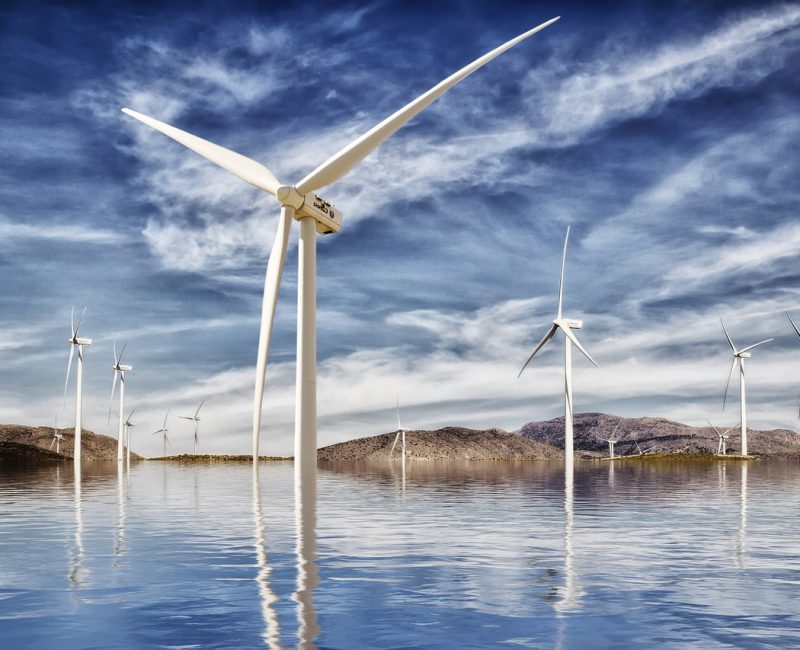
Wind energy presents numerous advantages that align with global sustainability goals. It is a renewable resource that generates electricity without emitting greenhouse gases, thus playing a pivotal role in climate action initiatives. The United Nations’ Sustainable Development Goals (SDGs) emphasize the importance of access to affordable and clean energy (SDG 7) and climate action (SDG 13), both of which wind energy supports effectively.
Despite these advantages, wind energy’s growth trajectory faces several challenges.
Conclusion
Wind energy holds immense potential as a cornerstone for sustainable renewable energy development. Its ability to reduce greenhouse gas emissions while providing economic benefits positions it as a vital player in achieving global sustainability goals. However, addressing the challenges related to intermittency, infrastructure needs, regulatory frameworks, public perception, competition from other technologies, and supply chain stability will be essential for unlocking its full potential.
As stakeholders across sectors collaborate to overcome these barriers through innovative solutions and supportive policies, wind energy can play a transformative role in creating a cleaner, more sustainable future for generations to come.
Ratno Institute is a cutting-edge research and consultancy organization committed to accelerating the global transition toward a sustainable energy future.