

Hydropower, which harnesses the movement of water, is one of the oldest and most established forms of renewable energy. Despite its significant role in the global energy system, hydropower faces several notable challenges. Let’s delve deeper into the potential and obstacles associated with hydropower.
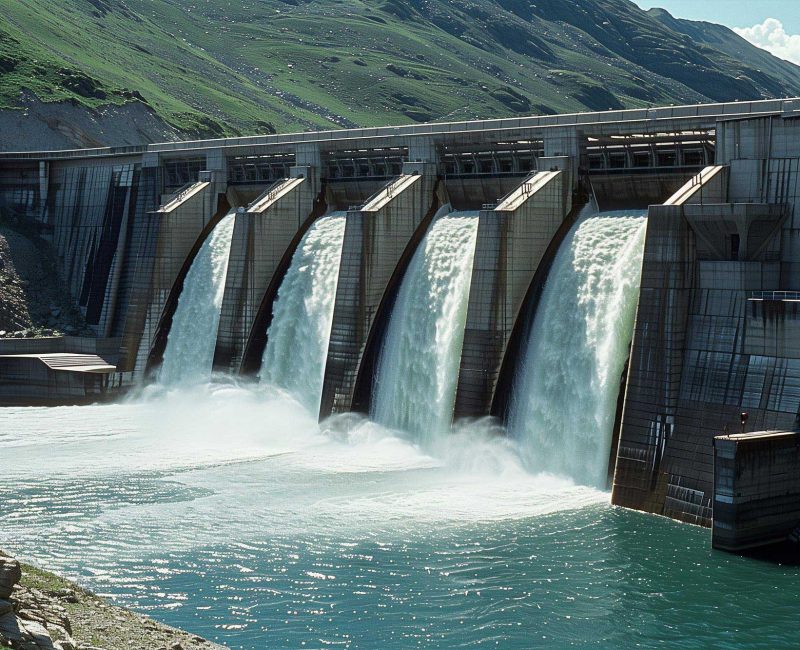
Hydropower is classified as a renewable energy source because it relies on water, which is naturally replenished through the hydrological cycle. Unlike fossil fuels, which are finite, hydropower can be utilized without the fear of resource depletion.
One of the main advantages of hydropower is its ability to produce electricity without generating greenhouse gas emissions during operation. Turbines powered by falling water generate electricity without air pollution, making hydropower a clean and environmentally friendly energy option.
Hydropower plants can provide a continuous supply of base-load energy. Additionally, hydropower can adjust electricity production according to fluctuating energy demands simply by regulating water flow. This flexibility makes hydropower a crucial component in a mixed energy system that requires stability and quick adjustments to demand.
Apart from being a source of electricity, hydroelectric reservoirs serve multiple other functions, such as flood control, drinking water supply, irrigation, and recreational facilities. These reservoirs also contribute to ecosystem services, including water flow regulation and the preservation of aquatic biodiversity.
Although the initial costs of building hydropower plants are quite high—especially for constructing dams and infrastructure—the low operational and maintenance costs in the long term make hydropower an economical energy solution. Hydropower plants typically have a lifespan of 50 to 100 years, providing significant economic value over time.
A major issue with hydropower is the environmental impact caused during the construction process. Building dams and reservoirs can damage natural habitats and disrupt river ecosystems, including fish migration and local wildlife. Furthermore, drastic changes in river flow can often affect water quality and surrounding aquatic ecosystems.
Developing large-scale hydropower projects requires substantial investment, particularly for building reservoirs, turbines, and other supporting infrastructure. Although operational and maintenance costs are low, the high initial expenses can be a barrier to developing hydropower, especially in developing countries.
Climate change presents a serious challenge to the sustainability of hydropower. Unpredictable rainfall patterns and drought conditions can significantly reduce the ability of hydropower plants to generate electricity. Consequently, climate change poses a considerable risk to our reliance on this energy source.
In some cases, dam construction can result in the displacement of communities living near the development area. The strong water currents can increase the risk of flooding in downstream regions, leading to social disruption and community displacement. This creates a dilemma between the energy benefits and the social impacts involved.
Not all regions have ideal conditions for large-scale hydropower development. Factors such as water availability, topography, and the impact on local communities limit the locations that can be used for hydropower projects. As a result, hydropower development in some countries may be constrained by geographic limitations.
Although the primary energy production process through hydropower is emission-free, there are concerns about methane emissions resulting from the decomposition of organic matter in reservoirs behind dams. This process can release methane, a greenhouse gas more potent than carbon dioxide, which may reduce the environmental benefits of hydropower.
Hydropower offers numerous benefits as a clean and reliable energy source. However, its development must be approached cautiously to balance economic needs with environmental impacts. Through careful planning and innovative solutions, we can address existing challenges and maximize the contribution of hydropower in ensuring global energy security and ecological preservation.
Ratno Institute is a cutting-edge research and consultancy organization committed to accelerating the global transition toward a sustainable energy future.