

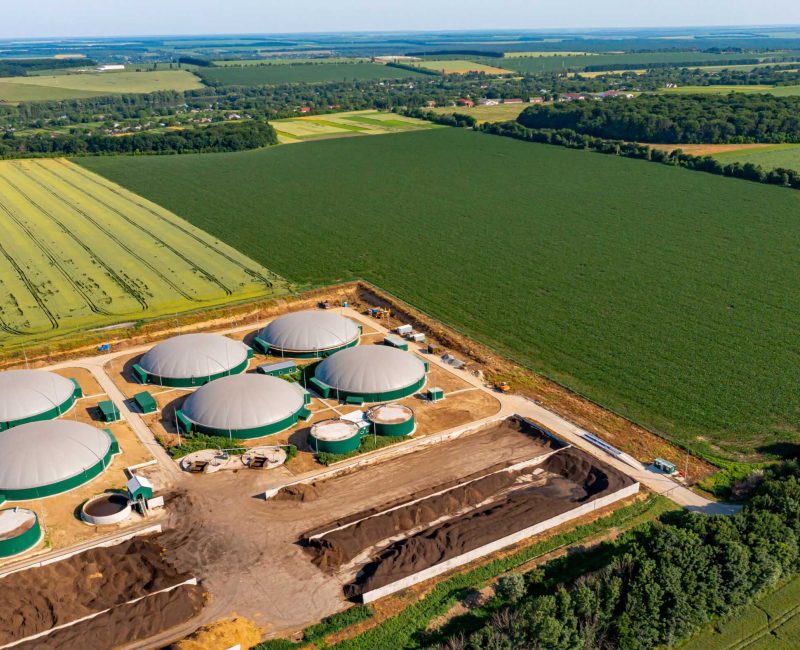
Bioenergy is the process of converting organic materials into usable energy through various methods. The main approaches for harnessing bioenergy include:
Direct Combustion: The most common method for generating bioenergy, direct combustion involves burning biomass in a boiler to produce high-pressure steam. This steam drives turbines connected to generators, producing electricity. Biomass can also be co-fired with coal in existing power plants to reduce carbon emissions.
Anaerobic Digestion: In this process, microorganisms break down organic matter in an oxygen-free environment, producing biogas, primarily composed of methane. This biogas can be used for heating or electricity generation. Anaerobic digestion also creates digestate, a nutrient-rich byproduct suitable for use as fertilizer.
Thermochemical Conversion: Biomass can be transformed into gaseous or liquid fuels through processes such as gasification and pyrolysis. Gasification exposes biomass to high temperatures with limited oxygen, resulting in synthesis gas (syngas), which can be burned to generate electricity or refined into fuels. Pyrolysis, on the other hand, heats biomass in the absence of oxygen to produce bio-oil, a potential substitute for diesel or fuel oil.
Biological Conversion: This method uses microorganisms to convert biomass into biofuels like ethanol or biodiesel through fermentation.
Bioenergy offers several benefits that make it a promising renewable energy option:
Abundant Resources: Biomass is readily available and can be sourced from agricultural residues, forestry byproducts, and municipal solid waste. This makes bioenergy a potentially abundant and versatile energy resource.
Carbon Neutrality: Although burning biomass releases carbon dioxide (CO2), it is considered carbon-neutral since the CO2 emitted is offset by the amount absorbed during the growth of new biomass.
Waste Management: Using organic waste for energy helps reduce landfill use and minimizes methane emissions from decomposing waste.
Rural Development: Bioenergy projects can stimulate local economies by creating jobs in agriculture, processing, and energy production.
Despite its potential, several challenges limit the broader use of bioenergy:
Economic Barriers: The cost of bioenergy production can be higher than that of fossil fuels due to expenses related to feedstock acquisition and processing. Additionally, fossil fuel subsidies make conventional energy sources cheaper, distorting the market.
Feedstock Availability: Ensuring a consistent supply of biomass feedstock can be difficult due to seasonal variations and competition with food production. Poor resource management may lead to shortages or price fluctuations.
Technological Readiness: Many bioenergy technologies are still underdeveloped or not yet proven at a commercial scale. The lack of standardized equipment and processes adds complexity and increases costs.
Regulatory Frameworks: Uncertain policies governing bioenergy development can deter investment. The absence of long-term strategies and clear targets from governments creates an unpredictable environment for project developers.
Public Perception and Awareness: There is often limited understanding of the benefits of bioenergy among stakeholders and the public. Misconceptions about its environmental impact can lead to resistance.
Environmental Concerns: While biomass is renewable, large-scale cultivation for energy can result in land use changes that threaten biodiversity and ecosystems if not managed sustainably.
Bioenergy has significant potential as a renewable energy source that can contribute to sustainable development goals. It offers a way to provide clean energy while addressing waste management issues, making it a viable option for transitioning away from fossil fuels. However, to unlock its full potential, it is essential to overcome economic barriers, ensure feedstock availability, advance technology readiness, establish supportive regulatory frameworks, enhance public awareness, and address environmental concerns.
By fostering innovation and collaboration among stakeholders—governments, industries, and communities—bioenergy can play a pivotal role in creating a sustainable energy future, promoting economic growth, and safeguarding the environment.
Ratno Institute is a cutting-edge research and consultancy organization committed to accelerating the global transition toward a sustainable energy future.