

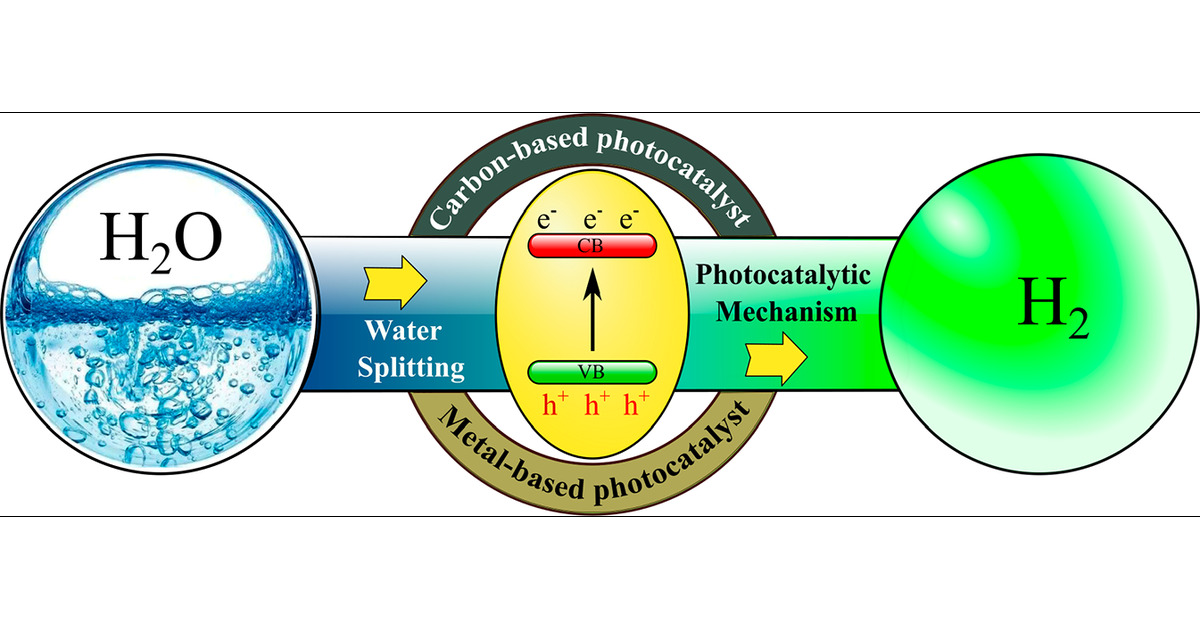
Significant strides have been made in green hydrogen production. One notable advancement is the development of scalable and efficient photoelectrode modules for direct water splitting using sunlight. Researchers at the Ulsan National Institute of Science and Technology (UNIST) have pioneered this technology, potentially making green hydrogen production more competitive and accessible. Another innovative approach, known as Electrochemical and Thermally Activated Chemical (E-TAC) processing, eliminates the need for membranes typically used in traditional electrolysis, reducing complexity and costs, and enhancing both efficiency and scalability.
Companies like Plug Power are also driving commercial advancements. They have developed essential components, including hydrogen storage tanks and mobile liquid hydrogen refueling units, crucial for building the infrastructure necessary for widespread hydrogen adoption. Furthermore, substantial investments in electrolyzer technologies—such as Proton Exchange Membrane (PEM) and Solid Oxide Electrolyzers—are improving efficiency and reducing production costs.
Several regions are actively advancing green hydrogen projects. Australia, with its vast renewable energy resources, is positioning itself as a future leader in green hydrogen production and export, aiming to capture a global market share by 2030 with over $200 billion invested in hydrogen projects and derivatives. Similarly, regions like the Middle East and Africa are benefiting from maturing policies and early commercial-scale projects that lay the groundwork for broader adoption of green technologies.
Governments worldwide are implementing policies and incentives to accelerate green hydrogen development. The U.S. government’s Inflation Reduction Act includes a Clean Hydrogen Production Tax Credit, anticipated to drive significant investment into the hydrogen economy. Additionally, the European Union has set ambitious targets to produce 10 million tonnes of renewable hydrogen by 2030, bolstering global efforts toward decarbonization.
Despite these advancements and supportive policies, several challenges remain:
Cost and Scalability Issues: The high costs of blue hydrogen, primarily produced from natural gas with carbon capture and storage (CCS), hinder its scalability. While green hydrogen offers a cleaner alternative, inflationary pressures on renewables still contribute up to two-thirds of its production costs, affecting overall feasibility.
Storage Needs: Ensuring sufficient hydrogen storage capacity is critical. According to Hydrogen UK, approximately 3.4 TWh of hydrogen storage will be needed by 2030, increasing to 9.8 TWh by 2035, requiring substantial investment in efficient, large-volume storage infrastructure.
Infrastructure Uncertainty: Consistent supply at required prices and volumes is crucial for end-users, but uncertainty about midstream infrastructure limits progress. Initiatives like RMI’s North American Hydrogen Backbone seek to address these issues through strategic infrastructure planning across key regions, including the United States and China.
Off-Take Contracts and Project Delays: A shortage of off-take contracts remains a significant barrier, often causing delays in project implementation. Sector leaders are tackling this issue through collaborative efforts under initiatives like the Breakthrough Agenda’s Hydrogen Demand Creation & Management Priority Action.
Conclusion
Hydrogen production from renewable sources holds immense promise for global decarbonization. While technological advancements continue to improve efficiency and reduce costs, pressing challenges—such as cost scalability, storage needs, infrastructure uncertainty, and the scarcity of off-take contracts—must be addressed to achieve climate mitigation goals. By comprehensively understanding these challenges and leveraging supportive policies alongside continued innovation, green hydrogen can fulfill its role in shaping a sustainable future energy landscape.
Ratno Institute is a cutting-edge research and consultancy organization committed to accelerating the global transition toward a sustainable energy future.