

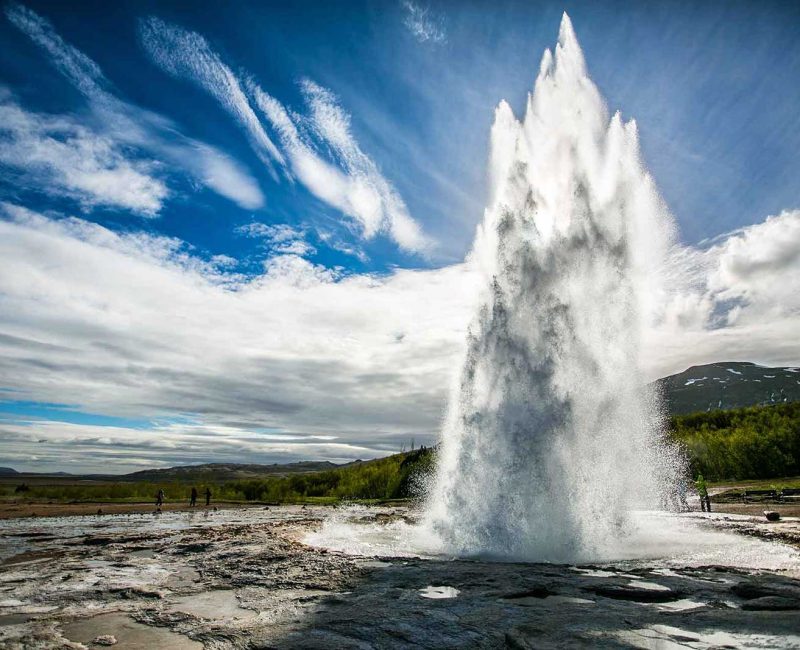
Understanding Geothermal Energy
Geothermal energy harnesses the Earth’s internal heat to generate electricity and provide heating or cooling. This heat originates from radioactive decay within the planet’s core, reaching temperatures up to 10,800 degrees Fahrenheit. The usable portion of this heat is found in underground reservoirs containing hot water or steam, which can be accessed through wells to bring the heat to the surface for various applications.
Electricity Generation
Geothermal power plants convert thermal energy into mechanical energy by using steam or hot water to rotate turbines. There are three main types of geothermal power plants:
Dry Steam: Uses underground steam directly to drive turbines. Notable locations include The Geysers in Northern California and Yellowstone National Park.
Flash Steam: Utilizes geothermal reservoirs with temperatures above 360°F (182°C). Pressurized hot water turns into steam as it rises, which drives the turbines.
Binary Cycle: Operates with lower-temperature geothermal waters (225-360°F / 107-182°C). It uses a secondary fluid heated by the geothermal brine, converting this heat into electricity.
Heating and Cooling
Geothermal heat pumps leverage shallow groundwater temperatures (around 50-60°F) to efficiently heat and cool buildings. These systems operate similarly to standard HVAC systems but achieve higher efficiency by using the stable ground temperature.
Although geothermal energy offers significant benefits like zero emissions and reliability, several challenges limit its broader adoption.
Restricted Availability: Suitable geothermal resources are only found in specific regions, typically in areas with hot springs, geysers, or volcanic activity. These regions are often seismically active, posing risks to infrastructure.
Remote Locations: Ideal geothermal sites are frequently far from population centers, making transportation and logistics for equipment and personnel costly and complex.
Technical Challenges: Drilling deep wells to access geothermal reservoirs is complex and expensive. Enhanced Geothermal Systems (EGS), which involve fracturing rocks to improve fluid pathways, add uncertainties related to seismic activity and fluid flow.
High Costs: The significant initial investment required for exploratory drilling, infrastructure, and specialized equipment hinders private sector involvement. Moreover, the long project timelines (5-10 years) complicate financing efforts.
Transmission Losses: Unlike solar or wind energy, geothermal energy cannot be easily transmitted over long distances, limiting its use to local or nearby energy consumers.
Geothermal energy has the potential to play a key role in the global transition to sustainable energy. However, addressing the technological, financial, and social challenges is essential for its wider adoption. Advancements in drilling techniques, resource management, and supportive policies can help unlock geothermal’s full potential, contributing to a cleaner energy future.
Understanding the basics of geothermal energy and acknowledging the hurdles in its implementation can help pave the way for more effective utilization of the Earth’s natural heat, reducing reliance on fossil fuels and minimizing environmental impacts.
Ratno Institute is a cutting-edge research and consultancy organization committed to accelerating the global transition toward a sustainable energy future.