

The current state of solar energy technology is characterized by rapid advancements and a growing commitment to sustainability. As we transition into 2024, the landscape of solar energy is evolving, driven by innovative technologies, decreasing costs, and an increasing global demand for renewable energy sources.
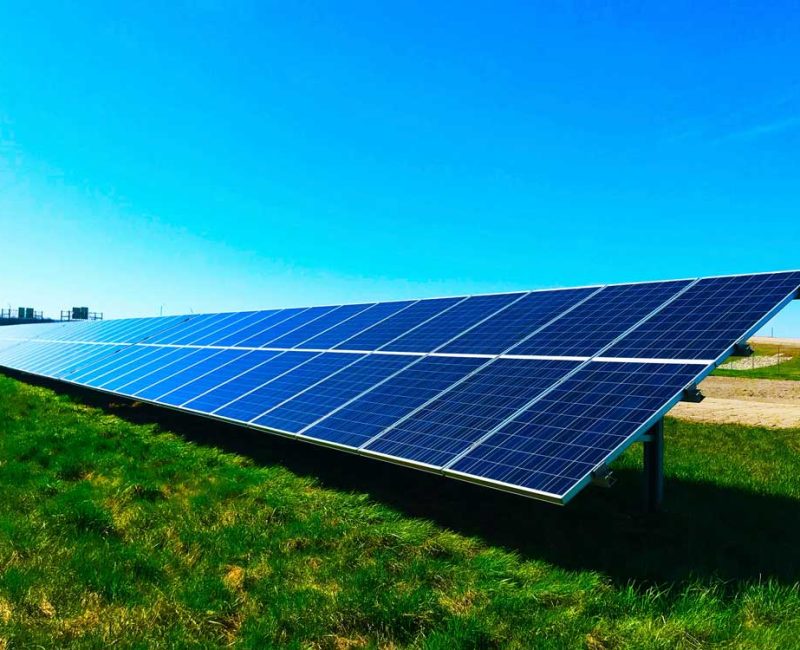
The efficiency of solar panels has significantly improved over the years. Traditional silicon-based panels are now complemented by emerging technologies such as perovskite solar cells and tandem cells, which promise even higher efficiencies at lower costs. Perovskite cells, in particular, have gained attention for their potential to revolutionize the market by achieving conversion efficiencies exceeding 25% while being less expensive to produce.
The integration of smart technologies into solar systems is transforming energy management. Innovations like smart inverters and IoT-enabled devices allow for real-time monitoring and optimization of energy production. These advancements enhance system performance and facilitate better grid integration, making solar energy more reliable and efficient[3][4].
One of the critical challenges for solar energy is its intermittency; however, advancements in energy storage technologies are addressing this issue. Lithium-ion batteries and emerging solutions like flow batteries are enabling users to store excess energy generated during sunny periods for use during cloudy days or nighttime. This capability enhances the reliability of solar power systems and supports a more stable energy supply[2][5].
The rise of decentralized solar power systems is empowering communities to achieve energy independence. Microgrid technology and peer-to-peer energy trading platforms are facilitating localized energy solutions that allow users to generate, store, and share solar energy within their communities. This shift not only promotes sustainability but also enhances resilience against grid outages.
Global policy frameworks continue to play a crucial role in promoting solar adoption. Governments are implementing incentives such as tax credits and subsidies to encourage investments in solar technology. As a result, the market for solar energy is expected to expand significantly, with projections indicating that global photovoltaic capacity could quadruple by 2030[4][6].
Looking ahead, several key trends and innovations are set to shape the future of solar energy:
As manufacturing processes improve and economies of scale are realized, the cost of solar panels is expected to decline further. This trend will make solar installations more accessible to a broader audience, including residential, commercial, and industrial sectors.
Solar energy will increasingly intersect with other renewable technologies, such as hydrogen production and electric vehicle (EV) charging infrastructure. The development of solar-powered EVs and hydrogen fuel cells will create new avenues for utilizing solar energy beyond traditional electricity generation[6].
Emerging applications such as transparent solar panels that can be integrated into windows or building materials represent a significant leap forward in how we harness solar power without compromising aesthetics or functionality. Additionally, floating solar farms on bodies of water are gaining traction as a space-efficient solution that also benefits panel efficiency due to cooling effects[3][5].
Artificial intelligence will play an increasingly vital role in optimizing solar panel design, placement, and maintenance. AI algorithms can analyze vast datasets to enhance system performance and predict maintenance needs, thereby reducing operational costs and improving overall efficiency[4][6].
As developing nations seek sustainable solutions to meet their growing energy demands, solar power will become an essential component of their energy strategies. Countries like India and those in Africa are poised to leverage solar technology to enhance access to electricity while reducing reliance on fossil fuels.
In conclusion, the future of solar energy technology appears bright, marked by continuous innovation and a commitment to sustainability. As we embrace these advancements, the potential for solar power to contribute significantly to a cleaner and more sustainable global energy landscape becomes increasingly tangible.
Ratno Institute is a cutting-edge research and consultancy organization committed to accelerating the global transition toward a sustainable energy future.